
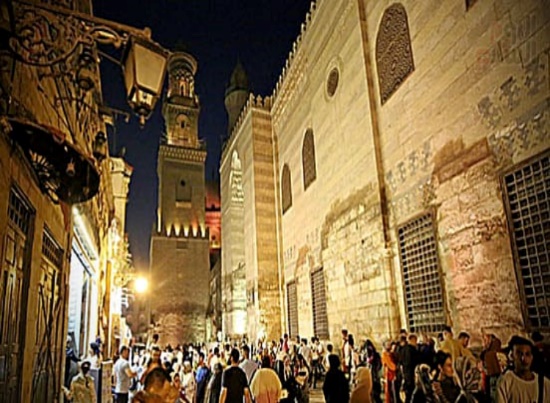
Islamic Cairo Walking Tour: Mosques, Bazaars & Timeless Culture
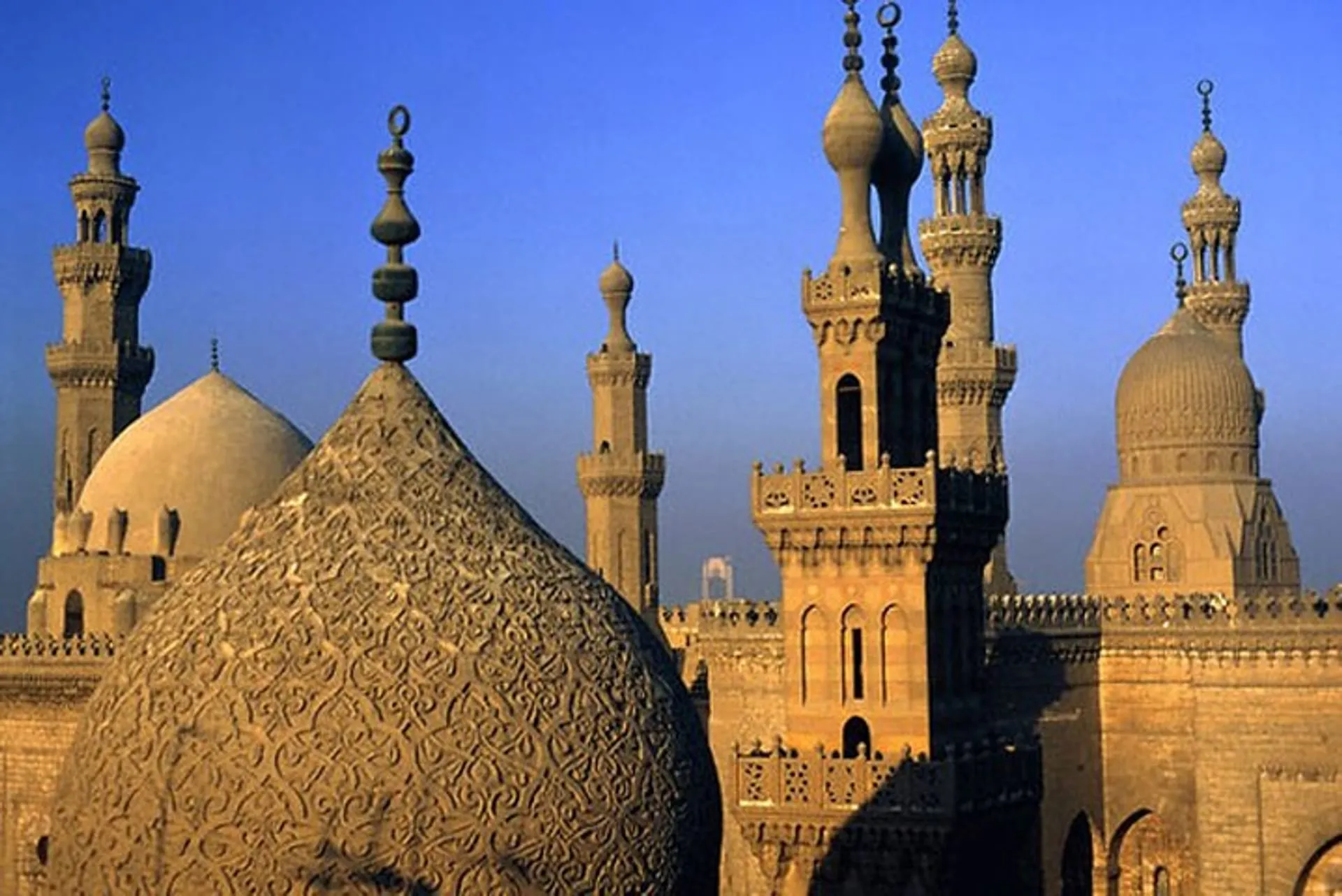
Islamic Cairo isn’t just a destination, it's an experience layered with history, faith, and everyday life. From towering Mamluk mosques to buzzing centuries-old markets, this walking tour offers a deep dive into one of the world’s richest Islamic heritage sites. Whether you're drawn by architecture, culture, or simply curious exploration, this route will take you through the essential landmarks that define Old Cairo’s character and soul.
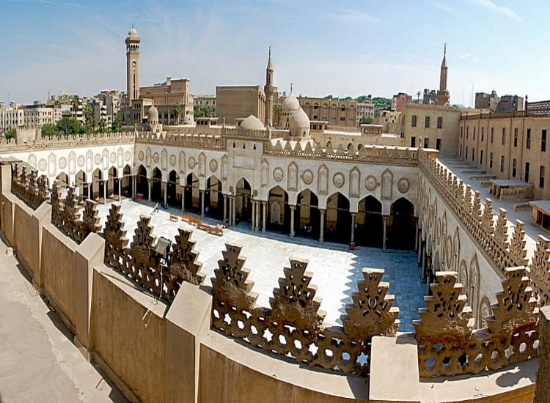
1. Al-Azhar Mosque: A Center of Islamic Learning:
Founded in 970 AD, Al-Azhar Mosque is one of the oldest and most prestigious centers of Islamic scholarship. The mosque still functions as a university, attracting students worldwide. Architecturally, it features a blend of Fatimid, Mamluk, and Ottoman elements, with its grand courtyard and five towering minarets.
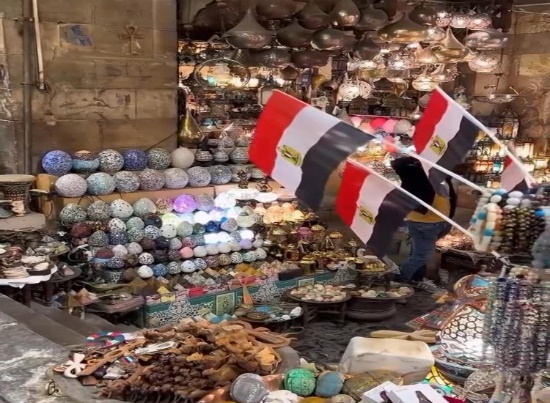
2. Khan El Khalili Bazaar: Cairo’s Historic Marketplace:
Established in 1382, Khan El Khalili is one of the oldest and most famous bazaars in the Middle East. The market is divided into specialized sections selling spices, perfumes, jewelry, and traditional crafts. It is an excellent place to experience Cairo's authentic atmosphere while shopping and interacting with local vendors.
3. Al-Hussein Mosque:
Dating back to 1154, Al-Hussein Mosque is a significant religious site. It is believed to house the head of Imam Hussein, the grandson of Prophet Muhammad. The mosque’s iconic green dome and marble façade dominate the surrounding square, a lively area especially during religious festivals.
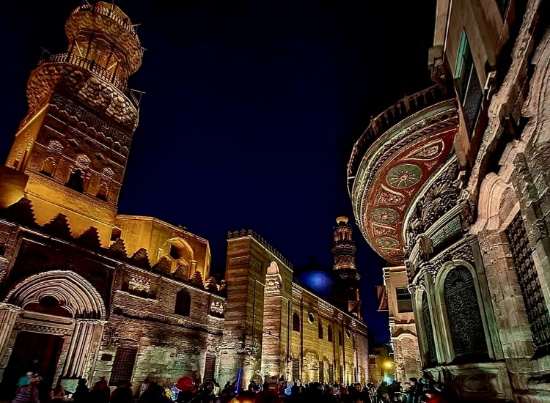
4. Al-Muizz Street:
Al-Muizz Street is one of the oldest and most historically rich streets in Cairo, stretching over 1 km and lined with significant monuments. Visitors can explore over 30 sites, including the Qalawun Complex and Sultan Barquq’s Madrassa. The street provides a unique look at Islamic architecture from various dynasties, including Fatimid, Mamluk, and Ottoman.
5. Sultan Hassan & Al-Rifa’i Mosques:
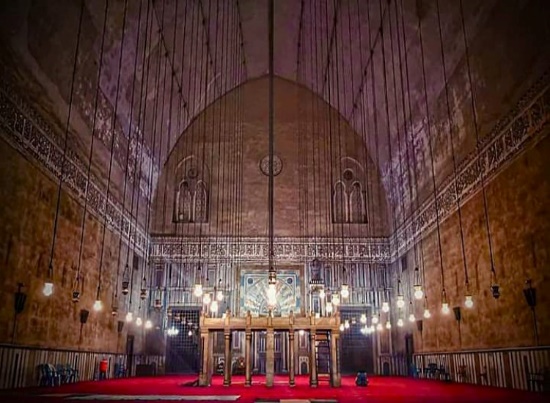
Located near the Citadel, these two mosques are architectural marvels. Sultan Hassan Mosque, built in the 14th century, features stunning Mamluk design with vaulted ceilings and a central courtyard. Al-Rifa’i Mosque, completed in 1912, houses the tombs of Egypt’s royal family and the last Shah of Iran, blending modern and traditional architectural styles.
6. Everyday Life & Egyptian Street Food
Walking through Islamic Cairo, you'll experience the daily life of locals. Between visits to landmarks, you’ll find cafes, bakeries, and juice stands where locals gather. Street food like taameya, hawawshi, and koshary is perfect for those wanting to taste authentic Egyptian flavors.
End Your Day with Tea and a View
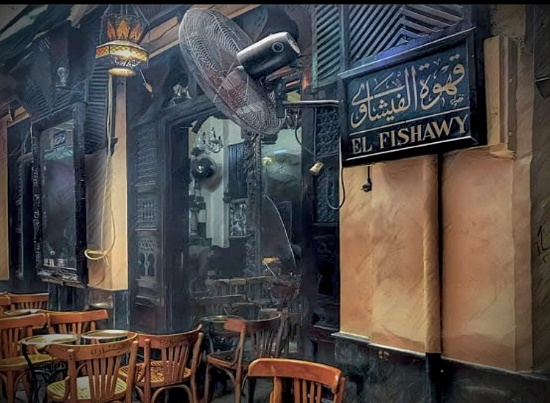
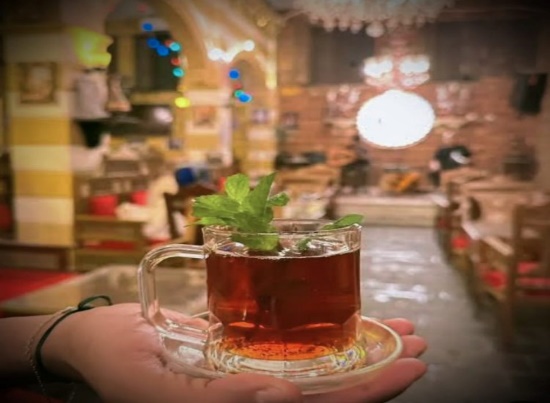
Conclude your day at one of the many traditional coffeehouses, such as El-Fishawy, which has been serving patrons for over 200 years. Enjoy a glass of mint tea in the as the sun sets over the historic district.
Islamic Cairo offers more than just historic sites; it is an experience that brings together the past and present of Egyptian culture, providing a deeper connection to the city's living heritage.



Comments
0No comments yet. Be the first to share your thoughts!